Housing politics in a supply-constrained economy

Executive takeaway

Proposals to limit institutional purchases of single-family homes reflect real frustration over housing affordability, but they misdiagnose the problem. Large institutions own only a small share of the U.S. housing stock and cannot explain the national rise in home prices; where they matter is at the margin, in supply-constrained metros where purchase flows can amplify price pressures and reduce entry points for first-time buyers. Even there, institutional activity is a second-order effect layered on top of a much deeper structural shortage driven by years of underbuilding, restrictive zoning, rising construction costs, and strong in-migration. Recent data show institutions already slowing acquisitions and shifting toward build-to-rent, helping expand rental supply rather than crowd it out. Framing affordability as a battle between households and institutions may be politically appealing, but durable relief will come from expanding housing capacity—faster permitting, zoning reform, and infrastructure investment—not from constraining capital in an already undersupplied market.
This essay expands on themes from this week’s A View from the Piedmont

President Trump’s proposal to limit large institutional purchases of single-family homes is best understood as a political signal rather than an economic lever. It is a populist response to a genuine generational grievance—housing affordability—aimed squarely at younger voters navigating a structurally undersupplied housing market. The frustration is real. The economics, however, are more nuanced.

From an ownership standpoint, institutional investors are not dominant players. Large institutions hold only a small share of the U.S. housing stock—roughly 1–3% of single-family homes and under 5% of single-family rentals nationally. At the aggregate level, their footprint is far too limited to explain the broad rise in home prices since the Global Financial Crisis.

Institutions are too small to drive national prices—but large enough to matter at the margin.

Where institutions do matter is at the margin. Purchase flows, not ownership levels, tighten supply in specific markets. In 2025, investors broadly defined accounted for roughly 30–33% of single-family home purchases, while large institutional buyers represented just 1–5%. In a low-inventory environment, those marginal purchases can meaningfully raise prices for would-be owner-occupants, particularly where housing supply elasticity is low.

Source: National Association of Realtors

The impact is therefore highly geographic. In fast-growing Sun Belt and select Midwest metros—Atlanta, Charlotte, Jacksonville, Phoenix, Tampa, Dallas, Houston, Nashville, Raleigh-Durham, among others—institutional concentration in the single-family rental stock often exceeds 15–30%, with some submarkets higher still. Empirical research links these localized purchase flows to roughly 1.5–2 percentage points of incremental annual home price growth, contributing an estimated 5–10% of cumulative appreciation during periods of acute supply constraint.

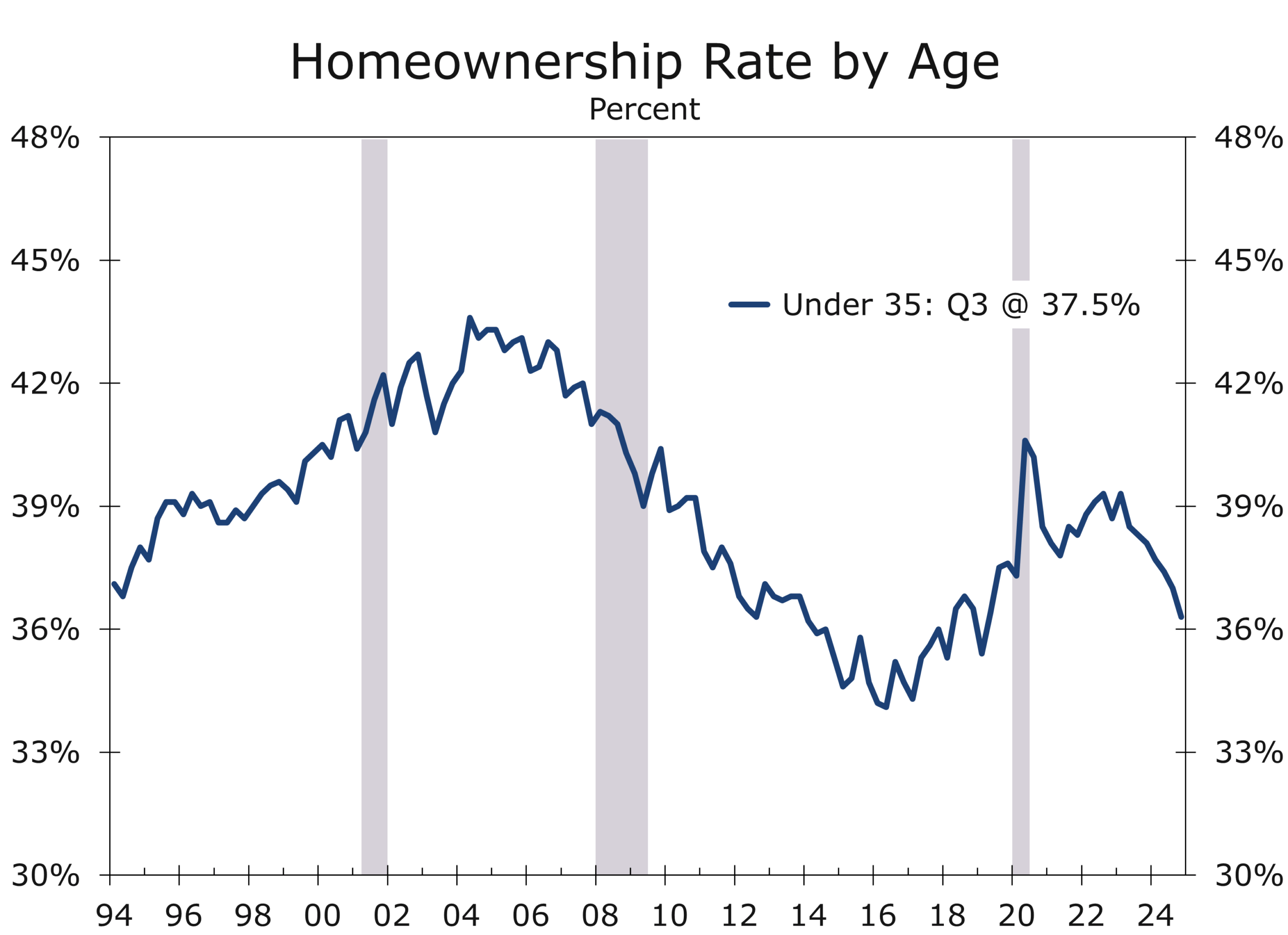
In these markets, the effect is reinforced by acquisition strategy. Institutional buyers often pay higher prices for older or distressed homes because they standardize renovations—particularly kitchens and bathrooms—when converting properties to rentals. This removes a traditional ladder to homeownership, where younger buyers would purchase a fixer-upper, build sweat equity, and eventually trade up. Institutional ownership has also likely reduced housing turnover at the margin, as rental properties tend to remain in the rental pool permanently, unlike owner-occupied homes, which typically turn over every eight to ten years.

The issue is not ownership—it is turnover, entry points, and lost housing ladders.

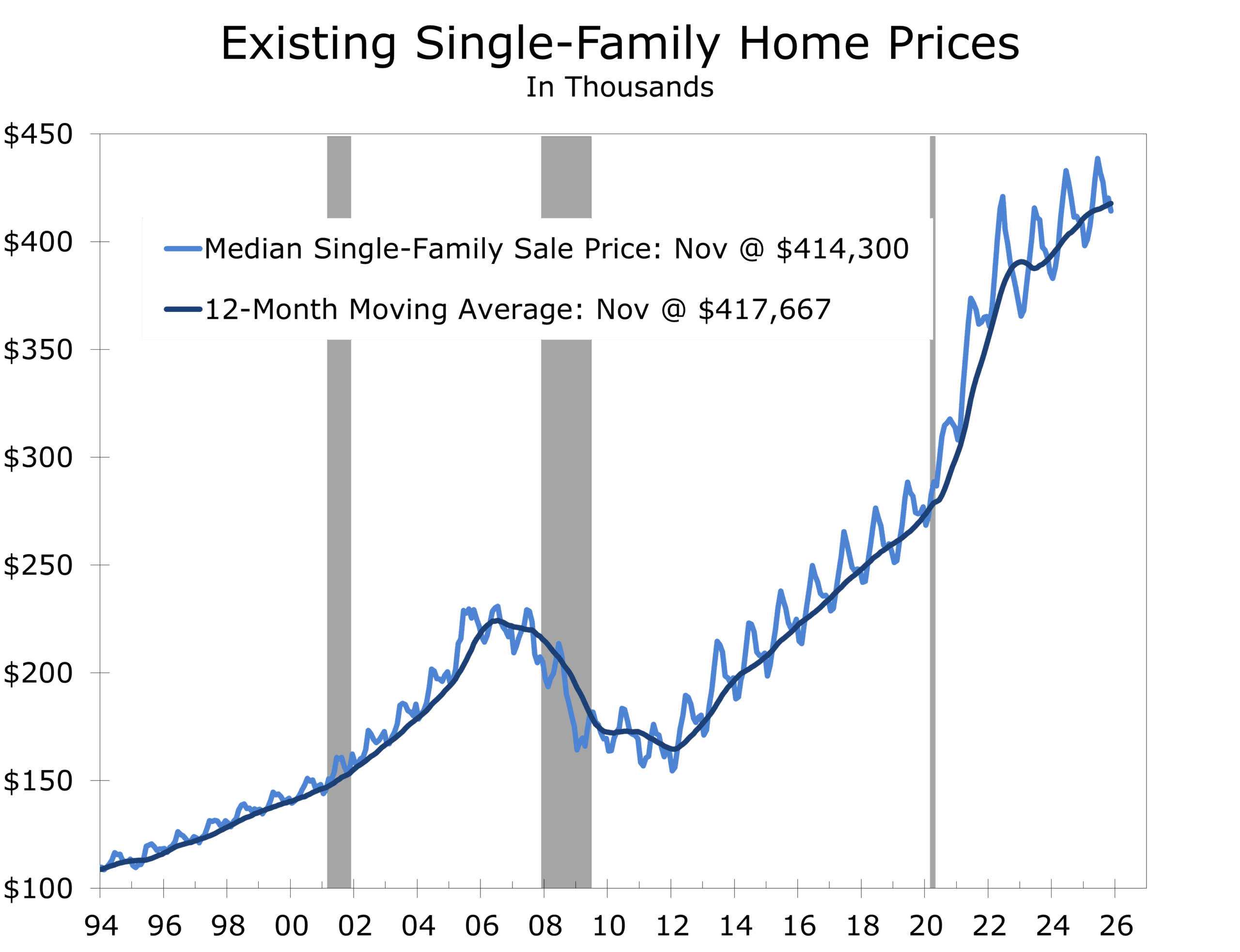
Even in these affected markets, institutional investors are not the root cause of affordability pressures. The common thread is structural supply constraint: years of underbuilding following the GFC, restrictive zoning and land-use regulation, rising construction and financing costs, infrastructure gaps, and strong in-migration. Institutional capital followed those fundamentals; it did not create them.

Source: Census Bureau

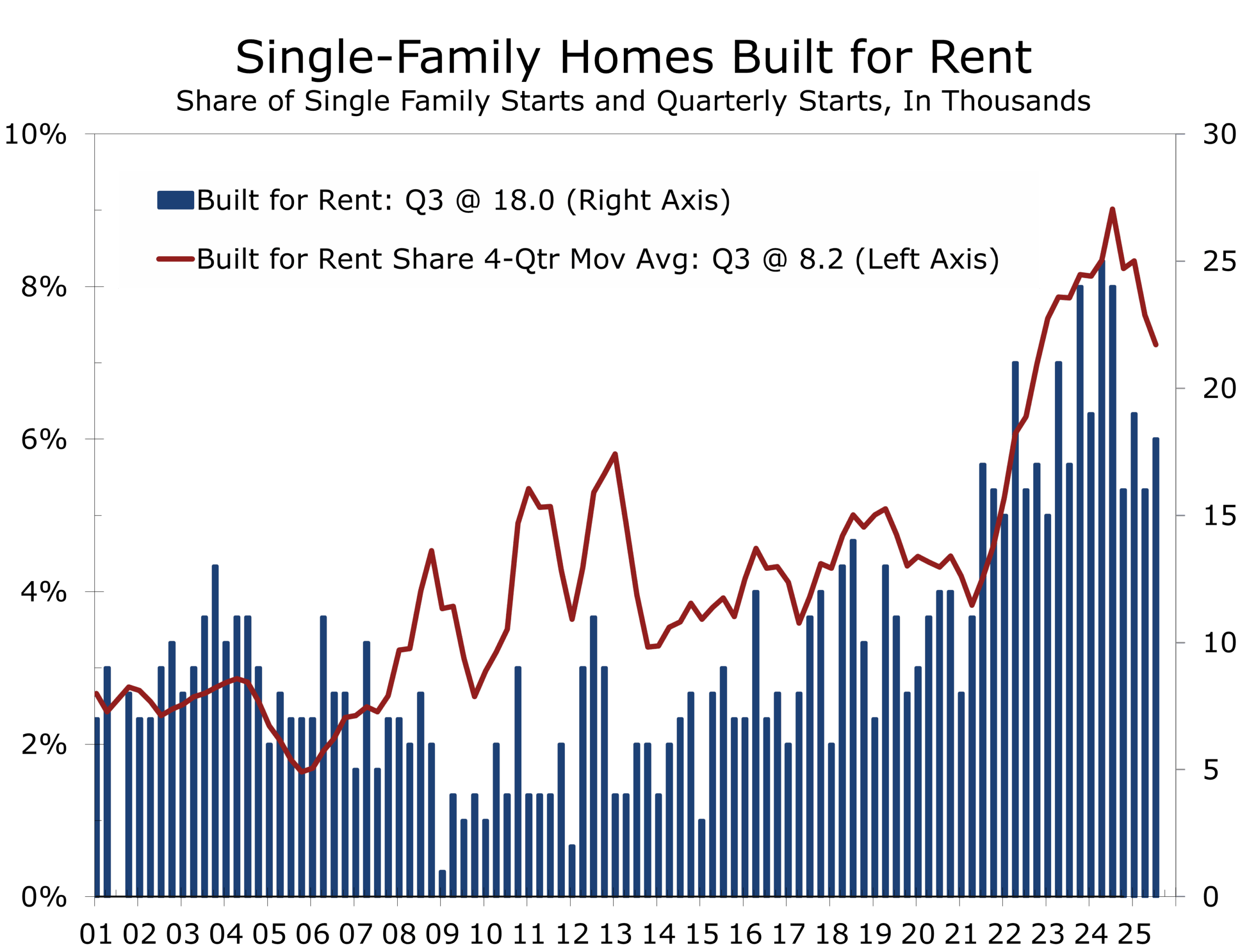
Recent trends further complicate the policy case for restrictions. Since 2022, large institutional investors have slowed acquisitions, shifted activity toward build-to-rent development, and in some cases become net sellers of existing homes. At the same time, homebuilders have expanded purpose-built rental communities, using institutional capital to smooth production cycles, achieve economies of scale, and deliver housing at price points the for-sale market increasingly struggles to serve. Limiting institutional participation risks slowing one of the few scalable channels of new rental supply without meaningfully improving affordability.

The political appeal of the proposal is clear. Framing housing affordability as a battle between households and institutions offers a clean narrative and a visible target. Economically, however, it treats a supply problem as a buyer problem. History suggests that approach rarely delivers lasting relief.

Durable affordability gains come from expanding housing supply: zoning reform, faster permitting, infrastructure investment, and incentives that encourage investor-to-owner transitions where appropriate. Policies that expand capacity tend to work. Policies that constrain participants tend to reshuffle ownership while leaving prices largely unchanged.

Housing, like energy and infrastructure, ultimately responds to capacity. In a capital-intensive, supply-constrained economy, the challenge is not too much investment—but too little.

Source: Census Bureau

Disclaimer:  This publication has been prepared for informational purposes only and is not intended as a recommendation offer or solicitation with respect to the purchase or sale of any security or other financial product nor does it constitute investment advice.

January 12, 2026

Mark Vitner, Chief Economist

Piedmont Crescent Capital