
A Historic Rebuild at Johnson C. Smith
- The drama continues in college football, with big games every week reshaping the rankings and the playoff picture.
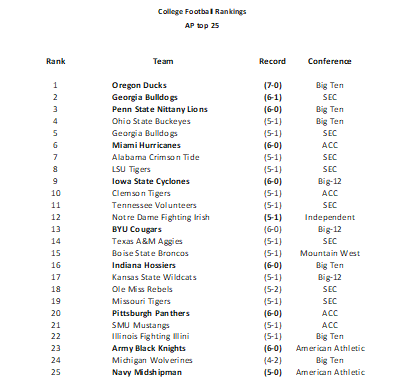
- Week 8 saw #5 Georgia defeat #1 Texas in Austin. Alabama also took its second loss, losing 24-17 to Tennessee.
- Some of this season’s biggest surprises face challenges this week, with Washington visiting undefeated Indiana, Notre Dame heading to undefeated Navy, and LSU taking on Texas A&M in a showdown between the last two teams still unbeaten in SEC play this year.
- Our featured matchup focuses on another surprise team this year, Johnson C. Smith, which is off to their best start since 1969. The Golden Bulls travel to Winston-Salem State, where they have not won since 2010.
- Johnson C. Smith is located just outside downtown Charlotte in Biddleville, which is Charlotte’s oldest surviving predominantly African American neighborhood.
- Winston-Salem State is located just east of downtown Winston Salem near the historic Happy Hill neighborhood.
College football has quite a few Cinderella stories going late into the season year. Most Cinderella’s slip up way before week 9 into the season and see pumpkins arrive way before Halloween. This week will serve a dose of reality one way are another.
Two of the feel-good stories in a year everyone is question conference realignment and NIL deals are Army and Navy. Both schools remain undefeated, something that has not occurred since the 1940s. Navy will get its first real test this week, when Notre Dame travels to Annapolis to take on the Midshipmen. A similar feel-good story is brewing in the Midwest, with Indiana off to a 6-0 start and atop the Big Ten conference. Usually by now, Hoosiers are giving thanks that they are basketball school. The Hoosiers will host Washington Saturday night and are also enjoying a rare football season visit from ESPN GameDay.
Conference expansion and Name, Image and Likeness (NIL) has found a way to kick up the competitive level of the SEC. Vanderbilt has been of this season’s biggest surprises, defeating Alabama and Kentucky, while getting off to a 5-2 start. The task gets even tougher for the Commodores as they host the Texas Longhorns, which hope to get back on track following last week’s loss to Georgia.
The leadership in the SEC race is also on the line this week, with LSU traveling to Texas A&M, with both teams 6-1 and undefeated in conference play.
Brick by Brick: Johnson C Smith Has Built a Contender
One of the best stories in HBCU football is taking shape just outside downtown Charlotte, where the Johnson C. Smith Golden Bulls have begun the year 7-0 and are now the only undefeated Historically Black College and University football team. This week will bring a major test for the Golden Bulls as they take on the Winston-Salem State Rams at Bowman Gray Stadium this Saturday afternoon. The Rams have dominated the series in recent years, and Johnson C. Smith has not won in Winston-Salem since 2010.
Coach Maurice Flowers has been on a mission to reset the culture at Johnson C. Smith. His first season was challenging, with the Golden Bulls finishing at 2-7. Flowers knew that changing the culture would be difficult and would require changes both on and off the field. He is a strong believer that wins correlate with Grade Point Averages and has pushed his team to boost their average above a 3.0.
Johnson C. Smith has a great opportunity to flourish. Charlotte is hungry for a winning football program, with the Panthers still in the early stages of what looks like a multi-year rebuilding effort. Johnson C. Smith also has a powerful legacy. The predecessor institution, Biddle Memorial Institute, played the first-ever game between two Black colleges, defeating Livingstone College from nearby Salisbury, 5-0, back in 1892.
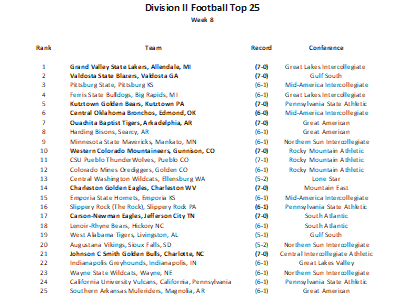
Coach Flowers is working to add a new chapter to this history, pushing the Golden Bulls toward dominance not only in HBCU circles but across Division II football. The Golden Bulls moved up a spot this past week following an unexpectedly hard-fought 21-14 victory over Shaw, played in front of one of the largest audiences to ever watch a game at the Irwin Belk Complex on the Johnson C. Smith campus.
Last week’s game was homecoming. This week will mark a greater challenge and a greater opportunity. A win against Winston-Salem State would set up a coming-out party, as the Golden Bulls would move further up the rankings and be in the driver’s seat for the CIAA Championship.
Johnson C. Smith University
Johnson C. Smith University (JCSU) is a Historically Black College and University (HBCU) located in Charlotte, North Carolina, with significant contributions to the region’s academic, athletic, and economic landscape. Founded in 1867, JCSU is located in the heart of Biddleville, Charlotte’s oldest African American neighborhood. The university’s rich history reflects its role as an educational leader, a catalyst for economic development, and a cultural institution with a deep impact on Charlotte and beyond.
JCSU was originally founded as the Biddle Memorial Institute in 1867, just two years after the Civil War. Established by the Presbyterian Church to educate newly emancipated African Americans, it received financial support from Mary D. Biddle, widow of Union Army Major Henry Biddle, who contributed $1,400 in his memory. Initially a theological institution, JCSU focused on training African American men as ministers and teachers, which was crucial to rebuilding African American communities during Reconstruction. The university quickly expanded its curriculum to include liberal arts and sciences, offering one of the first four-year degree programs for African Americans in the South.
In 1923, the school was renamed Johnson C. Smith University after businessman Johnson C. Smith, whose widow, Jane Berry Smith, made a significant financial contribution. Her donation helped construct new buildings and supported the university’s growing academic programs. This period of expansion saw JCSU producing graduates who played prominent roles in education, politics, and business throughout the South. Despite the challenges of segregation, JCSU remained a respected institution committed to academic excellence and social progress.
During the Civil Rights Movement, JCSU was instrumental in Charlotte’s African American community. Students and faculty actively participated in efforts to end segregation, particularly in local schools and businesses. In the post-Civil Rights era, JCSU expanded its campus and programs to meet the changing needs of students and the broader community. Today, JCSU is known for its strengths in STEM, business, and the arts, continuing to promote higher education for African Americans and underserved communities. The university remains a cornerstone of the Biddleville neighborhood and a leading HBCU.
The JCSU football program, established in the 1890s, quickly became a source of pride for the university. The Golden Bulls earned a reputation as a strong contender among HBCUs. Despite racial discrimination and limited resources, the team persevered and helped elevate African American collegiate football. JCSU was one of the founding members of the Central Intercollegiate Athletic Association (CIAA) in 1912, a conference dedicated to HBCU athletics.
The 1950s and 1960s were a golden era for JCSU football, led by coaches like Eddie McGirt, who became head coach in 1958. Under McGirt’s leadership, the Golden Bulls won numerous conference championships, including the CIAA title in 1969. McGirt was later inducted into the CIAA Hall of Fame for his contributions. During this time, football helped boost the university’s visibility and fostered unity and pride in Charlotte’s African American community. Homecoming games became major cultural and social events.
JCSU football faced challenges in the 1980s and 1990s, including financial struggles and inconsistent performance. However, a resurgence in the 2000s brought renewed focus on recruiting and facility improvements. In recent years, the Golden Bulls have remained competitive in the CIAA, regularly reaching the playoffs. The football program continues to be a key part of student life, providing opportunities for leadership development, academic success, and representing the university.
Historic Biddleville
As the largest institution in Biddleville, JCSU has played a crucial role in the neighborhood’s economic and social development. Biddleville, one of Charlotte’s oldest African American communities, has historically faced challenges such as underinvestment, economic isolation, and gentrification. Johnson C. Smith University has served as a stabilizing force, acting as both an educational anchor and a source of economic opportunity.
Over the years, JCSU has made significant investments in its campus, with new academic buildings, residence halls, and athletic facilities contributing to the revitalization of Biddleville. These developments have spurred economic activity in the surrounding area, attracting businesses and residents to the neighborhood. One of the most prominent examples of JCSU’s impact is Mosaic Village, a mixed-use development project that includes student housing, retail space, and community amenities. Opened in 2012, Mosaic Village stands as a cornerstone of the university’s efforts to improve the neighborhood and promote economic growth in the West End.
Beyond its direct influence on Biddleville, JCSU has played a key role in Charlotte’s broader economic development. The university’s focus on workforce development, entrepreneurship, and community engagement has helped establish Charlotte as a center of opportunity for African Americans and underserved populations. JCSU has long been a leader in producing graduates in business, science, technology, engineering, and math (STEM) fields, all of which are critical to the local and regional economy. As Charlotte has grown into a major financial and business hub, JCSU graduates have filled key roles in banking, healthcare, technology, and education.
The university’s Center for Innovation and Entrepreneurship (CIE) supports students and community members in launching businesses and fostering economic growth. By offering resources such as mentorship, business planning, and networking opportunities, the CIE has cultivated a culture of entrepreneurship in Charlotte, particularly among minority-owned businesses.
JCSU’s leadership in civic and cultural engagement has also contributed to Charlotte’s economic and social development. The university has been at the forefront of promoting diversity, inclusion, and social justice in the city, providing a platform for addressing systemic inequality and advocating for economic mobility in underserved communities.
Through community service projects, partnerships with local organizations, and research on pressing social issues, JCSU has worked to uplift Charlotte’s most vulnerable populations. The university’s outreach programs in education, healthcare, and economic empowerment address the root causes of poverty and inequality, contributing to the city’s long-term prosperity.
Charlotte
Charlotte’s early settlement in the mid-18th century, primarily by European immigrants, laid the groundwork for its agrarian-based economy, with cotton and tobacco as key crops. This agricultural prosperity was instrumental in driving future economic growth. The introduction of the North Carolina Railroad in the 1850s transformed Charlotte into a transportation and trade hub, spurring population growth and industrialization. Manufacturing, particularly in textiles and furniture, along with banking, began to shape the city’s economy in the post-Civil War era.
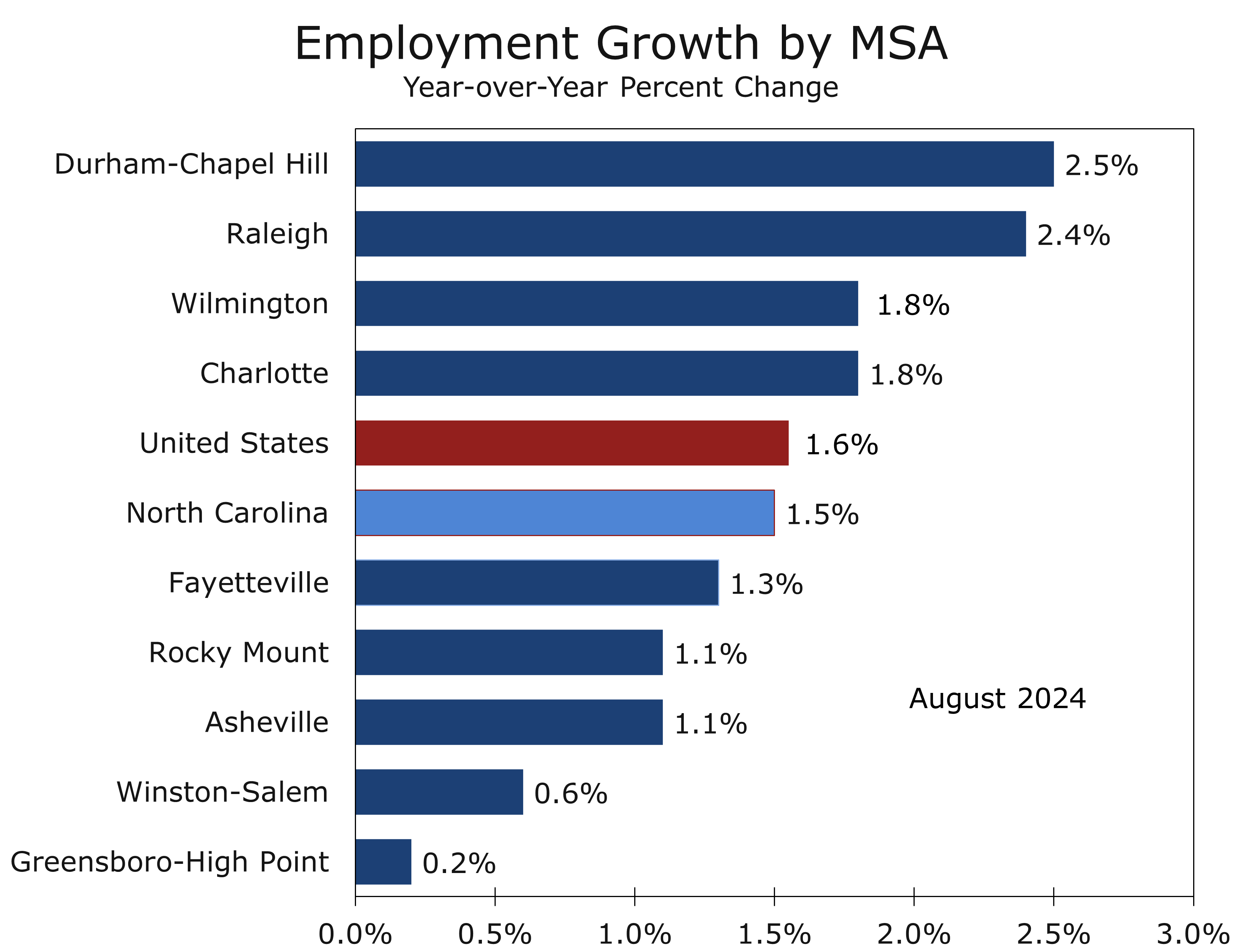
Today, Charlotte has established itself as a leading economic hub in the South, fueled by a diverse economy, strong population growth, strategic transportation connections, and a business-friendly climate that attracts new businesses and residents.
Charlotte rapidly grew to become a major financial center in the 1980s and 1990s, with NCNB and First Union/Wachovia racing to become two of the largest banks. Charlotte hosts headquarters for Bank of America (the successor to NCNB/NationsBank) and Truist Financial (BB&T and SunTrust), as well as the largest employee base for Wells Fargo (the successor to First Union/Wachovia). It is also the principal location for Ally Financial’s operations. This financial sector is crucial to Charlotte’s economy, providing thousands of jobs across investment banking, specialty finance, insurance, and financial technology (FinTech).
In addition to finance, Charlotte benefits from robust healthcare, energy, technology, and logistics sectors. Healthcare is bolstered by key players like Atrium Health and Novant Health, which contribute significantly to the economy and serve the region’s expanding population. Atrium’s partnership with Wake Forest University has brought a medical school and a tech campus to Charlotte, enhancing the city’s healthcare and educational footprint.
Charlotte’s energy sector also plays a critical role, with Duke Energy headquartered in the city and advancing renewable energy and sustainability initiatives. The technology sector is growing rapidly, supported by local university talent and Charlotte’s emerging reputation as a FinTech center. Companies like LendingTree and AvidXchange have grown from startups to industry leaders, and Eli Lilly’s recent $1 billion investment in a manufacturing facility for GLP-1 drugs underscores the city’s role in life sciences innovation.
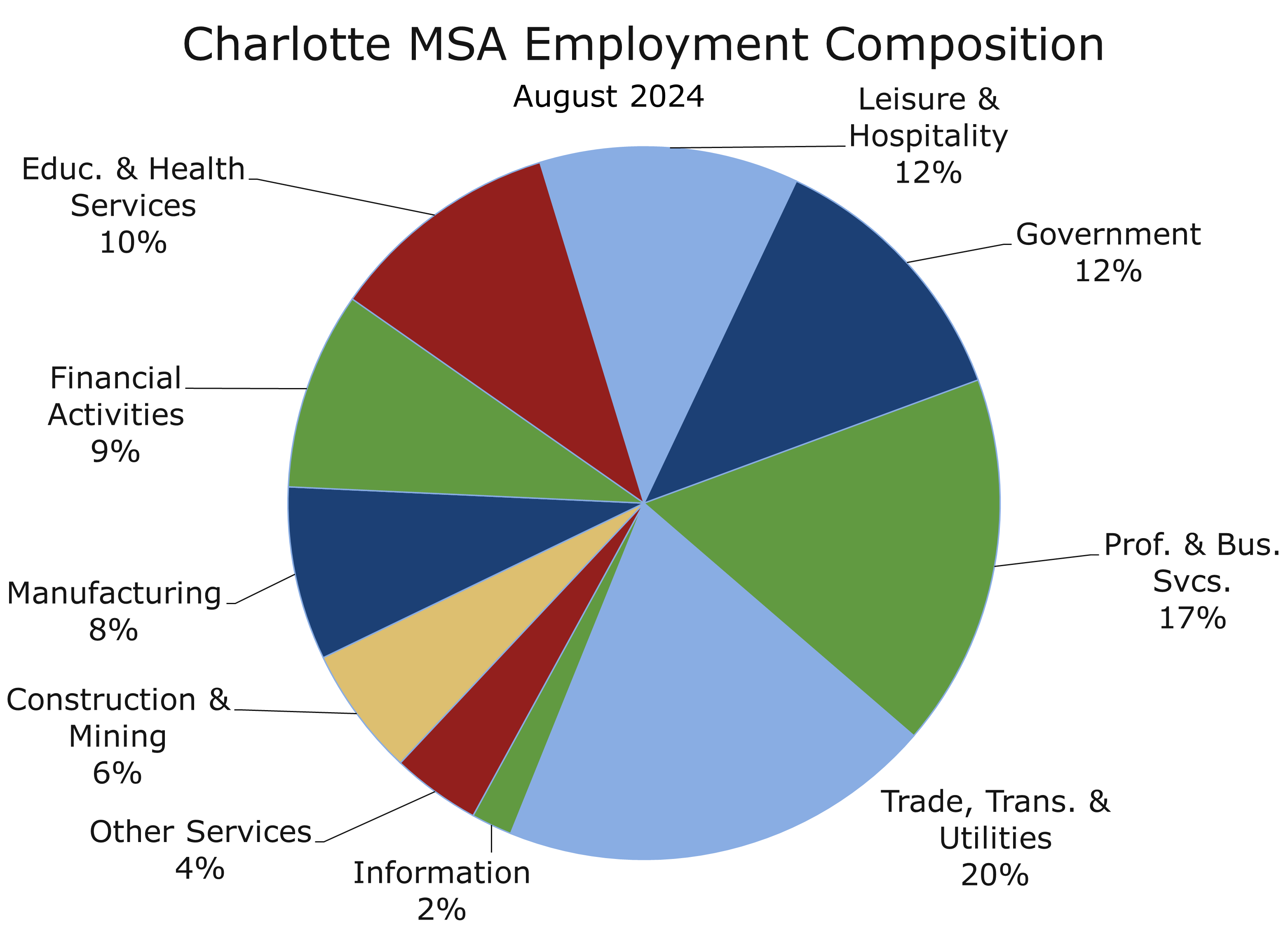
Advanced manufacturing and logistics in Charlotte are bolstered by the city’s strategic position and extensive infrastructure. Charlotte Douglas International Airport, the second-largest hub for American Airlines, ranks as the ninth-busiest U.S. airport, offering over 700 nonstop flights to 190 destinations, including key international markets. The airport’s connectivity has been pivotal in attracting corporate and regional headquarters to the city. Charlotte hosts seven Fortune 500 headquarters (Lowe’s, Honeywell, Nucor, Duke Energy, Bank of America, Truist, and Sonic Automotive) and numerous regional and international headquarters. Additionally, Charlotte’s location at the intersection of I-85 and I-77 supports its role as a regional distribution center for the Northeast and Midwest.
While vacancy rates have risen, the metro area’s commercial real estate market remains resilient, particularly in Uptown, South End, SouthPark, and Ballantyne, as corporate relocations and population growth fuel demand for residential and office spaces. Recent arrivals include Honeywell, which moved its headquarters to downtown Charlotte, and Lowe’s, which opened a technology center in a 20-story tower in South End. The return to the office has gained momentum in recent months, which is bolstering business at restaurants and retailers.
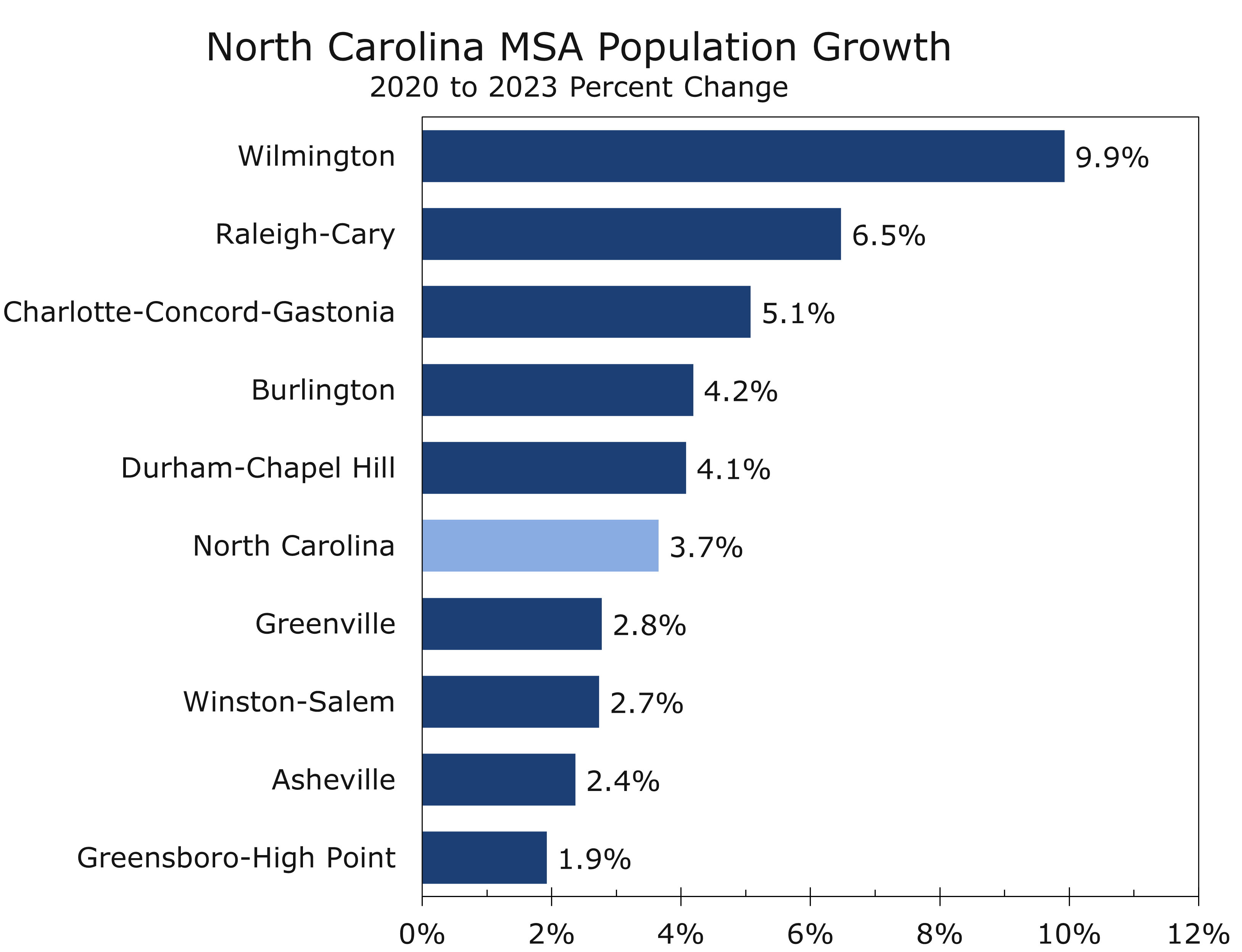
Charlotte’s population surged by over 50,000 in 2023, and projections indicate an increase of another 55,000 residents in 2024, bringing the metro area’s population to 2.86 million. This growth underscores Charlotte’s increasing appeal as both an economic and lifestyle destination. The city has been ranked as one of the top locations for “baby chasers,” grandparents moving closer to where their grandchildren live.
Despite this growth, the Charlotte region has faced challenges related to economic inequality and housing affordability, both of which have been exacerbated by the city’s rapid expansion. Efforts to address these challenges have focused on improving economic mobility, which is notably low in Charlotte compared to other U.S. cities. Community-driven initiatives, such as investments in education, workforce development, and affordable housing, have been central to bridging the wealth gap.
Economic mobility in Charlotte is being addressed through programs that aim to create pathways out of poverty, particularly for historically underserved communities. Organizations like the Leading on Opportunity Task Force emphasize the importance of education, early childhood development, and skill-building to enhance economic mobility. Workforce development initiatives, including collaborations between local businesses and educational institutions, are also crucial in providing residents with the training and support needed to access higher-paying jobs. Additionally, sustainable urban planning and affordable housing projects are part of a broader strategy to ensure that Charlotte’s growth benefits all its residents, fostering long-term economic inclusion and equity.
These efforts are yielding results. The most recent study by Chetty’s Opportunity Insights shows that Charlotte has moved up from 50th out of 50 MSAs in 2014 to 38th, demonstrating one of the greatest improvements. The 2014 report galvanized civic leaders, and government, businesses, and community organizations have collaborated to increase opportunities for disadvantaged residents.
Winston-Salem State University
Winston-Salem State University (WSSU) was founded as the Slater Industrial Academy in 1892 by the North Carolina Baptist State Convention. The school was established to provide vocational and academic training for African Americans in the region, addressing the educational needs of newly freed individuals after the Civil War. The academy’s mission was to equip students with practical skills and academic knowledge to thrive in a post-emancipation society.
In 1925, the institution was renamed Winston-Salem Teachers College and began focusing on teacher education. This shift reflected the growing demand for qualified educators in the African American community, particularly as schools across the South began to integrate. The college became known for its strong programs in education, liberal arts, and sciences.
In 1969, Winston-Salem Teachers College achieved university status and was renamed Winston-Salem State University. This transition marked a significant milestone in the institution’s history, allowing it to expand its academic programs and offer a wider range of degrees, including baccalaureate and graduate programs. WSSU became a member of the University of North Carolina System in 1971, further enhancing its status and resources.
Over the following decades, WSSU continued to evolve, increasing its enrollment and diversifying its academic offerings. Today, WSSU provides undergraduate and graduate programs in various fields, including health sciences, business, education, and the arts.
In recent years, WSSU has focused on enhancing its academic programs, infrastructure, and community engagement. The university has invested in new facilities, such as the Winston-Salem State University Student Center, which serves as a hub for student life and activities. WSSU has also strengthened its partnerships with local businesses and organizations, promoting workforce development and community service.
As a Historically Black College and University (HBCU), WSSU has played an essential role in advocating for social justice, equity, and access to quality education for African Americans and other underserved communities. The university continues to uphold its mission of producing graduates who are well-equipped to contribute to society.
The WSSU football program has a rich history dating back to the early 1900s. The first organized football team was formed in 1905, competing against other HBCUs and local teams. The program developed steadily over the years, with the university’s focus on athletics contributing to its growth.
In its early years, the team faced numerous challenges, including limited resources and racial discrimination. However, the program’s resilience and commitment to success allowed it to flourish, establishing a strong following within the university and the local community.
The 1950s and 1960s marked a golden era for WSSU football. Under the leadership of notable coaches, the team experienced significant success in the Central Intercollegiate Athletic Association (CIAA), consistently competing for conference championships. WSSU players earned recognition for their athletic prowess, and several alumni went on to play professionally in the National Football League (NFL).
The football program served as a source of pride for the university, fostering a sense of community and unity among students, alumni, and fans. Homecoming games became major events, drawing large crowds and reinforcing the university’s cultural significance in Winston-Salem.
The WSSU football program faced challenges in the 1980s and 1990s, including fluctuating enrollment and financial constraints. However, the university’s commitment to athletics remained strong, leading to a renewed focus on recruitment and program development in the 2000s.
In recent years, the Golden Rams have seen a resurgence, with improved performance in the CIAA and increased community support. The football program continues to be an integral part of student life at WSSU, providing student-athletes with opportunities for personal and professional growth.
Winston-Salem State University (WSSU)
Winston-Salem State University (WSSU) has significantly contributed to the economic growth of Winston-Salem and the surrounding area through its focus on education and workforce development. The university prepares students for careers in high-demand fields such as healthcare, education, business, and technology, with graduates filling critical roles across various industries and supporting the region’s economic stability.
WSSU has established partnerships with local businesses and organizations, facilitating internship and employment opportunities for students. The university’s emphasis on experiential learning enables students to gain practical skills and connect with potential employers, enhancing their career prospects and contributing to the local economy.
WSSU’s commitment to community engagement extends beyond the classroom. The university actively participates in initiatives addressing social and economic challenges in Winston-Salem, including programs focused on healthcare access, educational equity, and economic empowerment.
With a strong emphasis on health sciences, WSSU partners with local health organizations to promote public health initiatives. The university’s nursing and allied health programs train healthcare professionals who provide essential services to the community. Research conducted by faculty and students also contributes to advancements in public health and healthcare access, further enhancing the region’s economic development.
WSSU plays a vital role in preserving and promoting the cultural heritage of African Americans in Winston-Salem. Its commitment to social justice, equity, and community service fosters a sense of pride among residents and contributes to a vibrant local culture.
The university hosts various events, including cultural festivals, art exhibitions, and educational conferences, which attract visitors to Winston-Salem and stimulate the local economy. These events not only celebrate African American contributions but also promote community cohesion and economic activity.
Winston-Salem
Winston-Salem, North Carolina, was formed through the merger of two towns: Winston, founded in 1849, and Salem, established earlier in 1766 as a Moravian settlement. The Moravians, a European religious group, sought to create a community centered around values of education and agriculture. Salem developed into a significant hub for Moravian culture, with its well-preserved architecture reflecting deep historical roots.
Winston grew as a trade and transportation center due to its strategic location along major roads. Named after K.D. Winston, a local landowner instrumental in its founding, the town expanded as industries such as tobacco, textiles, and furniture manufacturing began to thrive. By the late 19th century, Winston-Salem experienced substantial industrial growth, particularly in tobacco production. The establishment of the R.J. Reynolds Tobacco Company in 1875 marked a turning point, positioning the city as a tobacco industry leader and spurring population growth.
The official merger of Winston and Salem in 1913 created a unified municipality, fostering coordinated development and planning. The city continued to grow, establishing key educational institutions, including Winston-Salem State University in 1892 and Wake Forest University, which relocated to Winston-Salem in 1956.
Throughout the 20th century, Winston-Salem diversified its economic base beyond tobacco, moving into textiles, banking, and healthcare, becoming North Carolina’s economic center through the 1970s. Major companies, such as Krispy Kreme Doughnuts, were founded here, enhancing its reputation as an entrepreneurial hub. However, globalization and declining tobacco consumption impacted the region’s economy, straining textile and furniture manufacturers. The city has also faced challenges retaining corporate headquarters, with Truist and Krispy Kreme relocating to Charlotte.
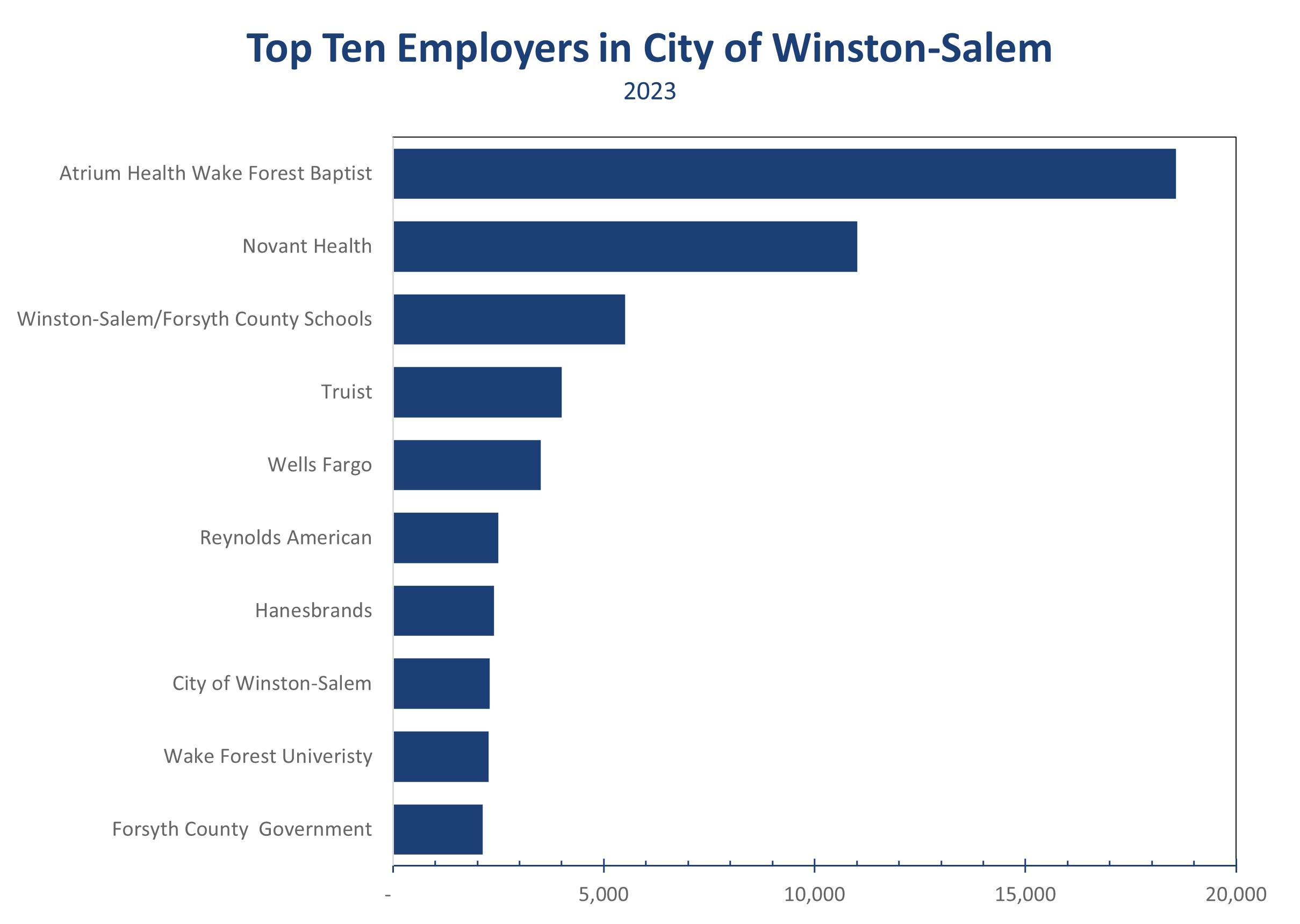
In the late 20th century, Winston-Salem evolved into a cultural and educational center. Establishments like the Winston-Salem Arts Council and the North Carolina Black Repertory Company enriched its arts scene, while healthcare expanded through institutions like Wake Forest Baptist Medical Center and Novant Health. This diversification sustained the economy while honoring its historical roots.
In the 21st century, Winston-Salem has focused on technology and entrepreneurship, launching initiatives to attract tech companies and support startups. Downtown revitalization has transformed the area into a vibrant hub filled with restaurants, shops, and cultural attractions. Winston-Salem continues to balance its historical legacy with innovation, remaining a key player in North Carolina’s economy with a diverse economy, rich cultural heritage, and a strong commitment to community development.
Previewing the Game
Johnson C. Smith remains the only undefeated team in HBCU football, with hopes of clinching their first CIAA championship appearance since 1972. Currently, they hold a 4-0 conference record, tied with Virginia Union for the best in the CIAA. Johnson C. Smith defeated Virginia Union earlier this year but must still get past Winston-Salem State to secure a spot in the CIAA Championship. A victory would solidify their position and give them some breathing room heading into their final two games (Fayetteville State and Livingstone).
The key for Johnson C. Smith is to maintain their strong defensive play. The Golden Bulls boast the top defense in the CIAA, allowing just 11.7 points per game, with standout linebackers Benari Black and Jack Smith playing pivotal roles; Black leads the conference in tackles.
On offense, Darius Ocean leads the CIAA in passing, averaging 243.3 yards per game with 14 touchdowns. His primary target, Brevin Caldwell, has over 800 receiving yards. How these two match up against WSSU’s solid defense will be crucial.
Winston-Salem State enters the game with a 5-2 record, with losses to North Carolina A&T and Virginia Union. WSSU has a potent offense, scoring over 30 points in each of their past two games. However, their defense has been inconsistent; Virginia Union racked up 31 points in their victory, while North Carolina A&T scored 27 points. No other opponent has managed to score more than two touchdowns against the Rams this season.
We expect a close game and give the edge to Johnson C. Smith. The Golden Bulls seem to have a sense of destiny, and it would not be surprising to see them finish the season undefeated. That said, WSSU has historically dominated this series, winning 13 of the past 14 meetings. Johnson C. Smith won last year, and we expect them to repeat this year.
Disclaimer: This publication has been prepared for informational purposes only and is not intended as a recommendation offer or solicitation with respect to the purchase or sale of any security or other financial product nor does it constitute investment advice.