
Trump, Putin, and the Long Game
- Trump’s frustration with Putin suggests growing awareness of Russian stalling tied to Dugin’s strategy to control all of Ukraine.
- A Russia-favorable peace risks fracturing NATO unity and significantly diminishing U.S. leadership credibility around the world.
- An effective counterstrategy would require energy leverage, NATO reassurance, and firm negotiation deadlines to pressure Russia.
- A successful resolution could reinvigorate the Western alliance and global order.
- The resolution of the Russia-Ukraine war will shape the global order, with major implications for trade, capital flows, and asset markets. A well-executed outcome could reassert U.S. leadership, help achieve broad-based trade agreements, strengthen the dollar, normalize capital flows, and catalyze global growth. Risks of policy missteps and further Russian deception, however, remain elevated and could carry heavy costs.
The potential resolution of the Russia-Ukraine war carries far-reaching consequences for geopolitics and financial markets alike. Donald Trump’s recent frustration with Vladimir Putin — highlighted by public rebukes and pressure to cease attacks on Kyiv — suggests a growing awareness that Putin is deliberately stalling negotiations, playing from Aleksandr Dugin’s long-term geopolitical strategy of weakening Ukraine and the West. While Trump’s instinct favors swift deal-making, a rushed settlement risks inadvertently advancing Moscow’s objectives, undermining U.S. leadership, and fracturing Western unity, resulting in long-term negative consequences.
Putin’s tactics, rooted in Dugin’s ideology but tempered by pragmatic opportunism, aim to bleed Ukraine and exhaust Western patience – a strategy that has worked against U.S. interests in Vietnam, Iraq, and most recently, Afghanistan. By escalating attacks even as negotiations advance, Putin seeks to secure territorial gains and normalize the erosion of Ukraine’s sovereignty. Trump’s challenge is to recognize that he faces not a willing negotiating partner, but a master of protracted conflict that is more interested in the long game. Recognizing these tactics — and crafting a strategy to counter them — is essential.
Aleksandr Dugin, in his 1997 work Foundations of Geopolitics, lays out a Eurasianist vision aimed at weakening Western influence, dismantling the U.S.-led global order, and reasserting Russian dominance over its historical sphere, with Ukraine as a central target. Dugin sees Ukraine’s independence as a direct threat to Russia’s geopolitical destiny, making its subjugation critical to fracturing NATO, dividing Europe, and undermining U.S. leadership.
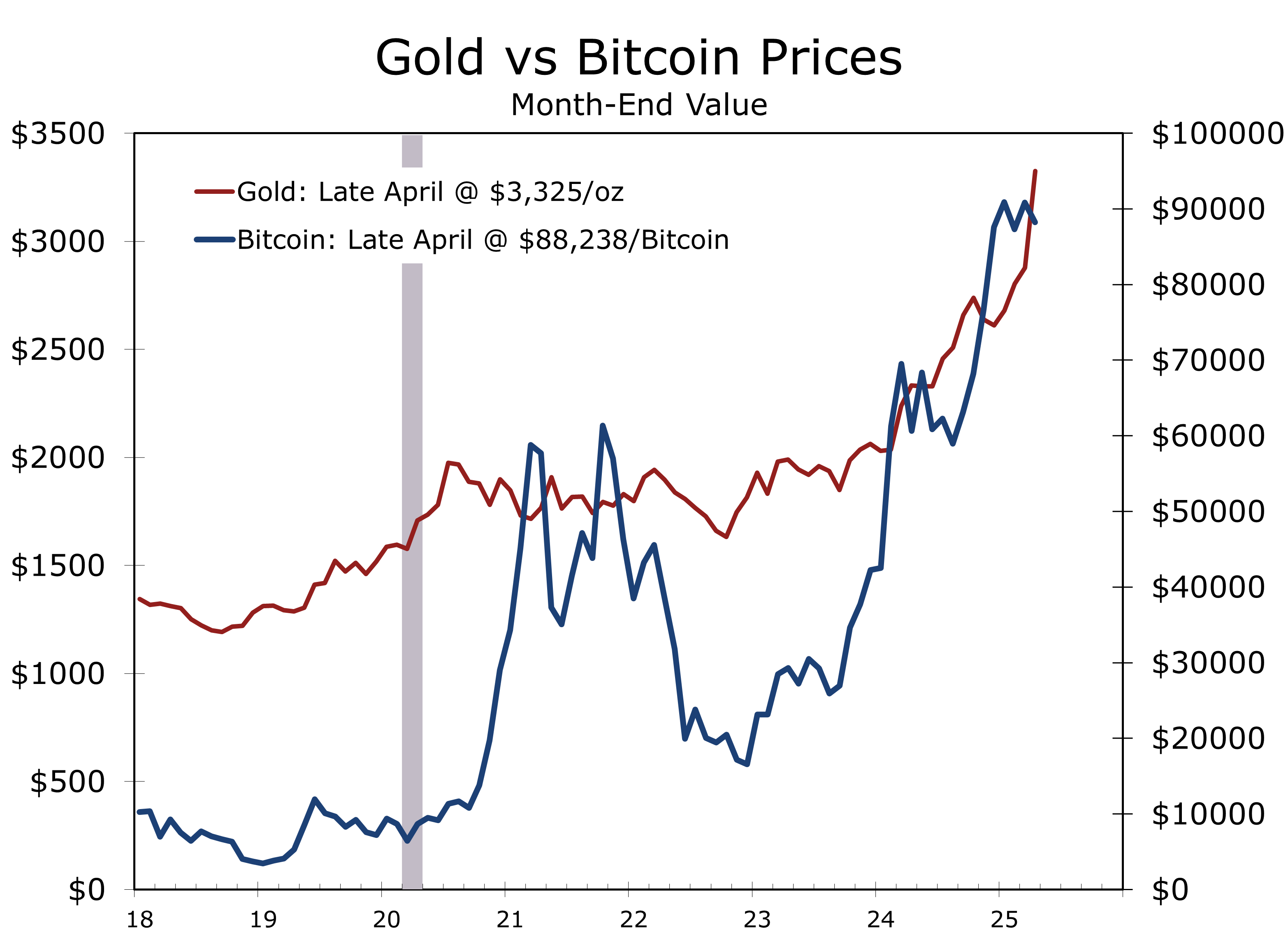
Dugin’s ideas have heavily influenced Vladimir Putin’s strategy, fueling a drawn-out conflict that strains Western alliances, disrupts global trade, drives energy volatility, and threatens capital flows and the dollar’s global dominance. A prolonged or poorly managed resolution to the Ukraine war risks validating Dugin’s playbook and injecting sustained uncertainty into the global economy, at a moment when U.S. financial leadership is already under pressure. Putin views the current environment—marked by fragmented U.S. trade talks with key allies—as a historic opportunity.
Putin view the current trade tensions between the U.S. and its allies as a historic opportunity.
A successful U.S. counterstrategy would require several coordinated actions:
- Leveraging American energy dominance to weaken Russia’s revenues.
- Reaffirming NATO commitments to deter further Russian adventurism.
- Imposing strict deadlines and conditionality on negotiations to prevent endless stalling.
- Empowering Ukraine with interim security guarantees while talks proceed.
These steps would allow the United States to shift the negotiating balance while avoiding the perception of abandoning an ally.
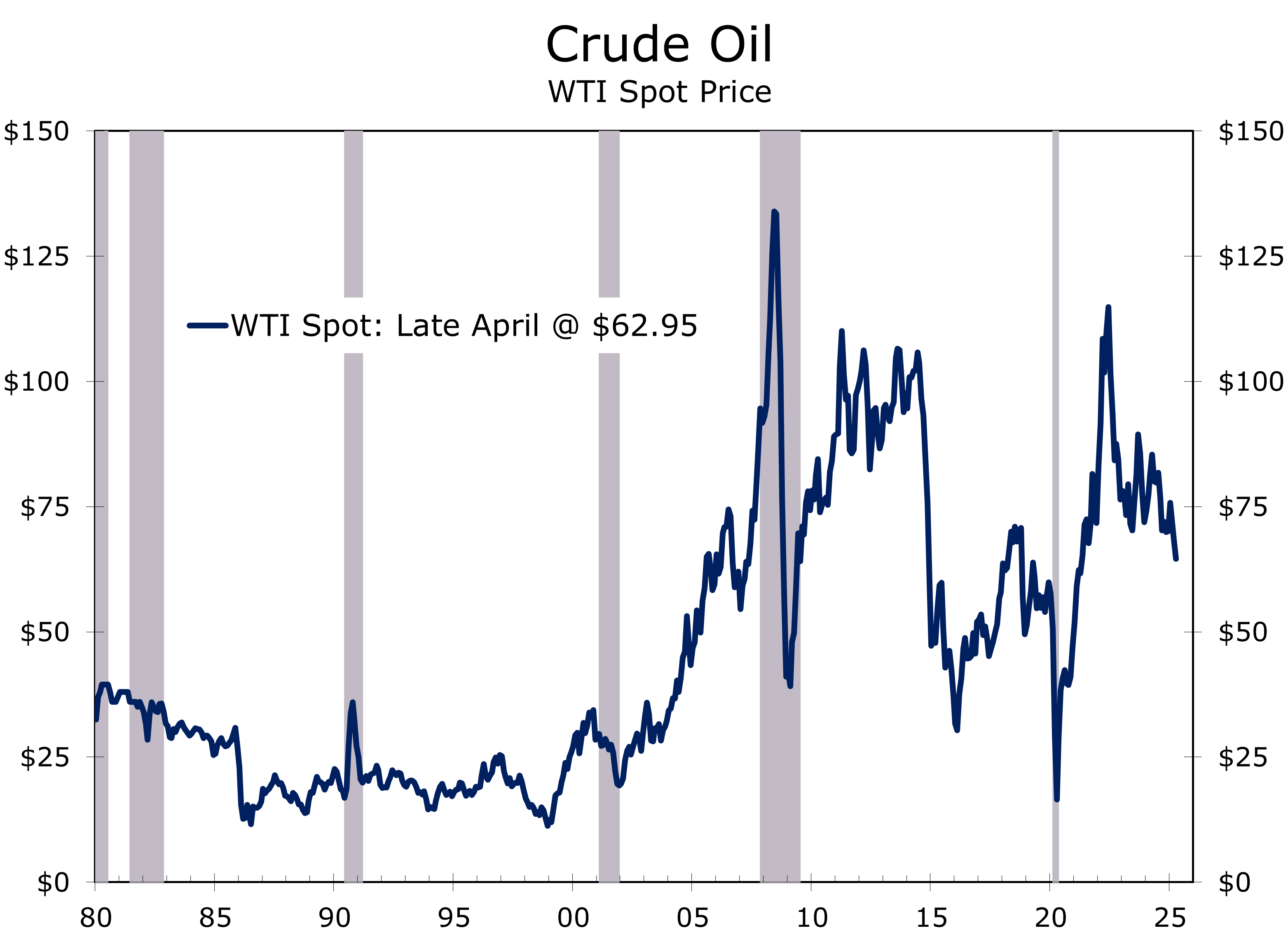
From a geopolitical perspective, a poorly structured settlement could erode U.S. prestige and encourage future aggression by autocracies, theocracies and dictatorships worldwide. Conversely, a strategically sound resolution would reinforce the credibility of American leadership, reinvigorate the Western alliance, and stabilize Eastern Europe.
The economic and financial implications are equally significant. A clear de-escalation of the war would lower global geopolitical risk premiums, revive international trade, and ease inflationary pressures tied to energy and agricultural markets. The U.S. dollar would likely strengthen as a safe-haven asset, buoyed by renewed investor confidence in American leadership and institutional stability. Capital inflows into U.S. markets would intensify, supporting higher asset valuations and lower interest rates.
A successful resolution would not only save lives but also potentially unleash a virtuous cycle.
A successful resolution of the Russia-Ukraine conflict would not only save countless lives but could also unleash a virtuous cycle: renewed U.S. leadership, stronger Western cohesion, a healthier global trade environment, firmer asset markets, and anchored inflation expectations. The margin for error, however, is slim, and the consequences of a misstep could be severe. Misreading Putin’s tactics—or accepting a settlement that merely masks long-term instability—could squander a historic opportunity and embolden adversaries elsewhere. A Russian victory would represent a strategic setback for the United States on par with the withdrawals from Vietnam and Afghanistan, with lasting damage to U.S. credibility. If Trump and U.S. negotiators can anticipate Russian deception and manage the process effectively, the West has a rare opportunity to end a costly conflict and reassert American leadership at a pivotal moment.
Disclaimer: This publication has been prepared for informational purposes only and is not intended as a recommendation offer or solicitation with respect to the purchase or sale of any security or other financial product nor does it constitute investment advice.
April 28, 2025
Mark Vitner, Chief Economist
704-458-4000