
Florida A&M vs. Norfolk State in Atlanta
- The 2024 HBCU football season kicks off with Florida A&M University taking on Norfolk State University, as part of the Cricket MEAC/SWAC Challenge Kickoff.
- The game is scheduled for August 24 at Center Parc Stadium in Atlanta and will be broadcast nationally on ABC.
- FAMU, is located in Tallahassee, and is the defending HBCU National Champion, finishing the 2023 season 12-1.
- Florida A&M is the nation’s second largest HCBU and provides undergraduate and graduate degrees across a broad assortment of majors.
- Norfolk State, located in Norfolk, Virginia, is the nation’s 16th largest HCBU and plays a key role in supporting the Hampton Roads regional economy.
- Norfolk State finished 3-8 last year and is in a rebuilding mode.
- The Cricket MEAC/SWAC Challenge is an annual HBCU football kickoff event played in Atlanta that highlights the growing role HBCUs have in today’s economy. The event also serves as a key gathering for alumni, friends and supporters.
The 2024 Historically Black College and University (HBCU) football season kicks off with the Florida A&M University (FAMU) Rattlers taking on the Norfolk State University (NSU) Spartans. Scheduled for August 24 at Center Parc Stadium in Atlanta, this matchup is part of the Cricket MEAC/SWAC Challenge Kickoff and will be broadcast nationally on ABC at 7:30 pm. This report is part of a new series exploring the historical and cultural significance of the participating HBCUs. We review the broader impact of HBCUs and HBCU football, as well as Atlanta’s role as a cultural and economic hub for the Black community. We also provide an update on each area’s economy.
Florida A&M is the reigning HCBU National Champion, having defeated Howard 30-26 in the Celebration Bowl at Atlanta’s Mercedes-Benz Stadium last December. The HCBU Championship pits the conference champions of the Southwestern Athletic Conference and Mid-Eastern Athletic Conference.
Florida A&M returns a number of starters from last year’s team and features some 36 seniors and graduate students. Norfolk State, which went 3-8 last year, will face a momentous challenge. Their team is younger and less experienced. Interconference games are often surprising, however, early in the season and NSU is expected to be amped up to play before a national audience in prime time.
Florida A&M University (FAMU)
Founded on October 3, 1887, Florida A&M University (FAMU) is a prominent public, historically Black university and land-grant institution within the State University System of Florida. Accredited by the Southern Association of Colleges and Schools, FAMU’s main campus is situated on the highest hill in Tallahassee, covering 422 acres with 156 buildings. Besides the main campus, FAMU operates several satellite locations, including the College of Law in Orlando and pharmacy program sites in Miami, Jacksonville, and Tampa.
Located where Florida’s Big Bend meets the Florida Panhandle, Tallahassee, which is also the state capital, serves as a quintessential college town. With a population of nearly 400,000, it is home to Florida State University, Florida A&M University, and Tallahassee State College. As the seat of Florida’s government, Tallahassee hosts the State Capitol, the state Supreme Court, the Governor’s Mansion, and numerous state agencies. It also stands as a regional center for scientific research with the National High Magnetic Field Laboratory.
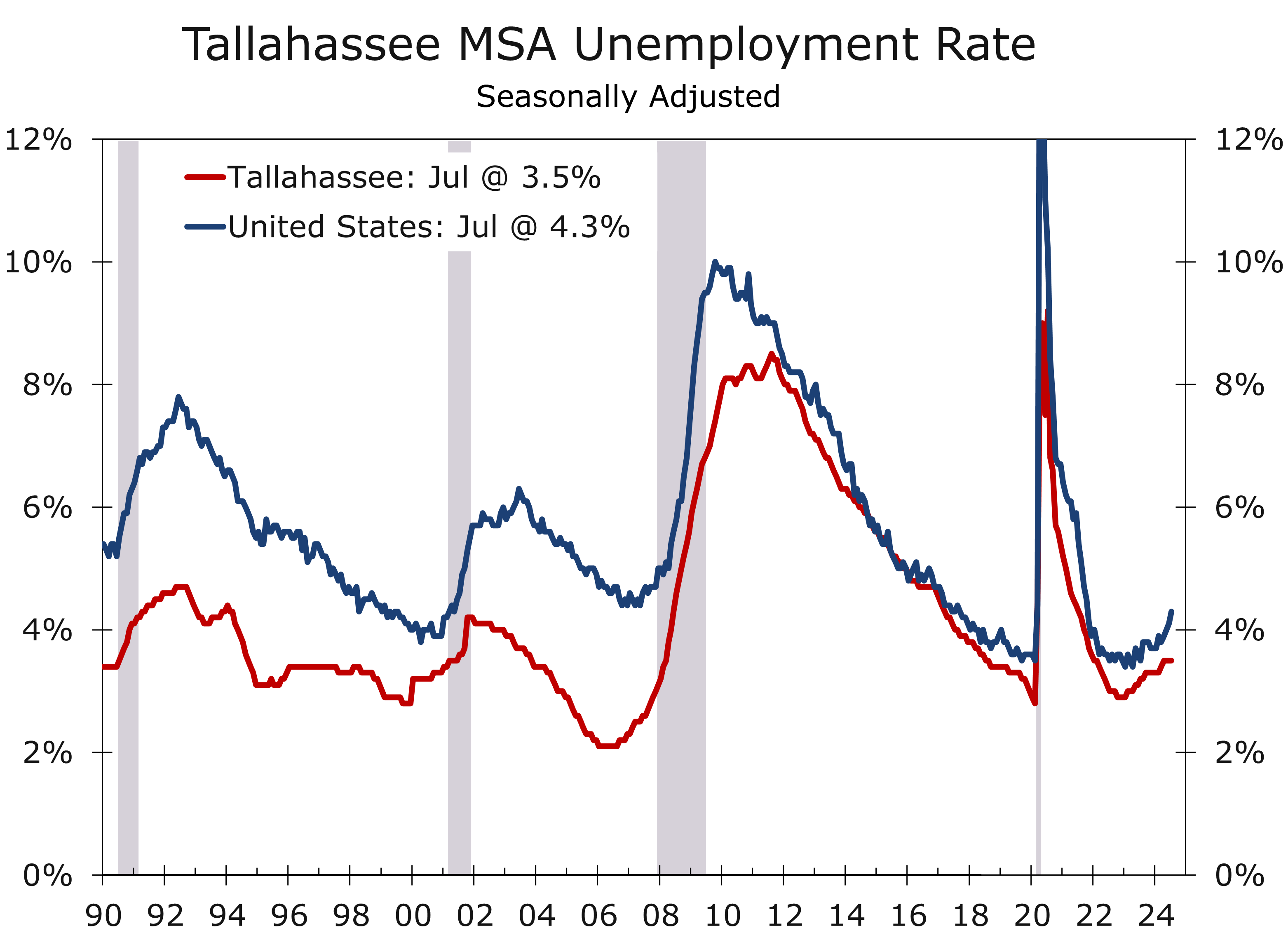
Over the past few years, Tallahassee has seen solid economic gains. Nonfarm employment rose by 3.0% this past year, driven by government, transportation, warehousing, and education and healthcare.
FAMU offers a broad array of academic programs, including 54 bachelor’s degrees, 29 master’s degrees, and 11 doctoral programs across 12 schools and colleges. Key undergraduate programs include architecture, journalism, computer information sciences, and psychology, while its graduate programs are well-regarded, especially pharmaceutical sciences, public health, physical therapy, and engineering. The university has notable alumni in various fields, including politics, entertainment, and law.
The Rattlers football team, competing in the Football Championship Subdivision (FCS) of the NCAA, has a rich history. Since joining the Southwestern Athletic Conference (SWAC) in 2021, FAMU has built on its legacy, with 16 Black College Football National Championships, 29 Southern Intercollegiate Athletic Conference (SIAC) titles, eight MEAC titles, and one SWAC title. Notably, they won the inaugural NCAA Division I-AA National Title (now FCS) in 1978, the only HBCU to do so. With an impressive record of 594-340-22 and 38 conference championships, FAMU’s football program remains a powerhouse in HBCU sports.
Norfolk State University (NSU)
Norfolk State University was founded on September 18, 1935, as part of Virginia Union University. Initially directed by Samuel Fischer Scott, the institution was renamed Norfolk Polytechnic College in 1942 and became part of Virginia State College (now Virginia State University) shortly thereafter. By 1950, the college had grown to 50 faculty members and 1,018 students and adopted the “Spartan” name for its athletic teams in 1952.
The college’s permanent site on Corprew Avenue was established in 1955 with the completion of Brown Hall. Norfolk State granted its first bachelor’s degrees in 1956. In 1969, the college became Norfolk State College and received accreditation from the Southern Association of Colleges and Schools. By 1975, it began offering master’s degrees in communications and social work. Dr. Harrison Benjamin Wilson Jr. succeeded Dr. Lyman Beecher Brooks in 1975.
In 1979, the institution was renamed Norfolk State University by the Virginia General Assembly. It celebrated its 50th anniversary in 1985 with an enrollment of 7,200, which grew to a peak of 9,112 by 1995. Today, Norfolk State University enrolls approximately 5,300 students and is the 16th largest HBCU.
The Norfolk and Hampton Roads region, which includes Norfolk, Virginia Beach, Williamsburg, and Newport News, has a population of just under 1.8 million residents. The Norfolk Naval Station, the world’s largest naval base, is a central economic pillar, supporting around 62,000 active-duty personnel, 75 ships, and 132 aircraft. The defense sector, including military personnel and defense contracting, contributes more than a third of the metro area’s Gross Domestic Product and has largely driven economic growth since the pandemic.
The Port of Hampton Roads, benefiting from a deep harbor and strategic location, ranks as the third-largest port in the U.S. by cargo volume and leads globally in coal exports. The Virginia Port Authority oversees facilities like Norfolk International Terminals (NIT), which has the world’s largest container cranes. Shipbuilding and repair operations is also important, including Huntington Ingalls and BAE Systems.
Wholesale trade and distribution, professional services, health, retail trade and tourism are also key drivers for the region. The steady stream of young, skilled military retirees is also a major draw for industry, as is the large number of Navy spouses.
Hampton Roads has struggled to attract new corporate headquarters to the region. One recurring risk to the region is deployment risks, with ships being deployed more frequently and staying out longer, depriving the region of military personnel and their families.
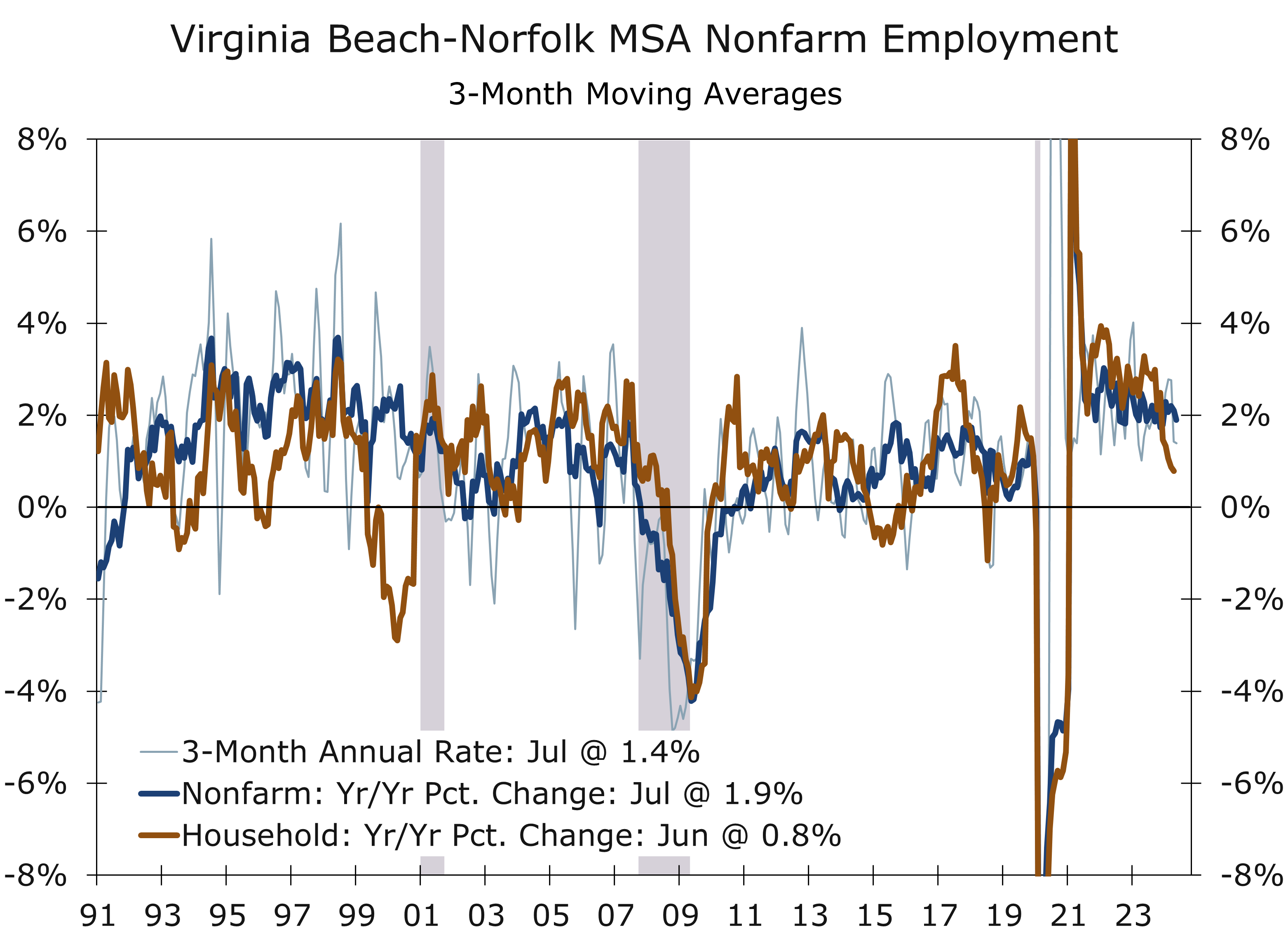
Overall economic growth remains relatively solid. Nonfarm employment has risen 1.9% over the past year. The unemployment rate remains historically low at just 2.0%. Growth has moderated this past year, however, reflecting an outright decline in government payrolls and slower growth in leisure and hospitality. Hiring remains strong in education and health care and in professional services.
Historical Context of HBCUs
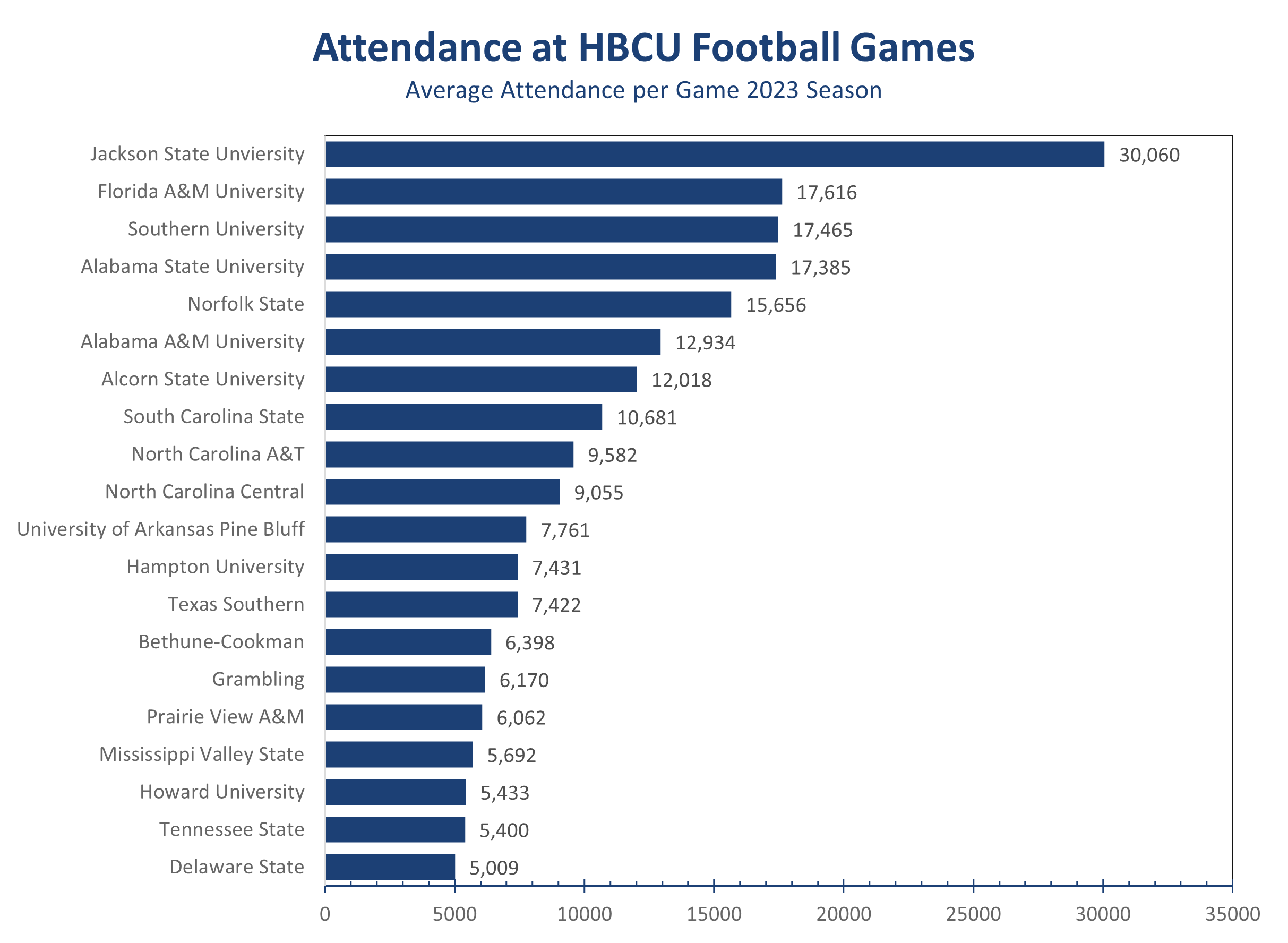
Historically Black Colleges and Universities (HBCUs) were established primarily to educate African Americans before the Civil Rights Act of 1964. Today, 101 HBCUs serve over 228,000 students and award more than 20% of all bachelor’s degrees to African Americans. Alabama, North Carolina, Texas, Georgia, South Carolina, Louisiana, Mississippi, Tennessee, and Virginia are the states with the most HBCUs.
The Second Morrill Act of 1890 required land-grant universities to integrate or establish new institutions for African American students, leading to the creation of many HBCUs. Early HBCU football began with Johnson C. Smith University’s 1892 win over Livingstone College, setting a precedent for significant HBCU football rivalries. Johnson C. Smith and Livingstone still compete annually in the Commemorative Classic.
Post-segregation, HBCUs faced financial challenges and competition as African American students gained access to more institutions. Currently, only about 8% of Black college students attend HBCUs, and many face funding challenges compared to their flagship counterparts. Despite this, HBCUs remain competitive in NCAA FCS and continue to be vital in producing graduates and professionals.
The title of ‘HBCU national champion’ has evolved over time, with the Celebration Bowl established in 2015 as a de facto championship game for the MEAC and SWAC. Although Tennessee State, with 16 HBCU titles, plays in the Ohio Valley Conference, the tradition of crowning an HBCU national champion persists.
HBCUs have been crucial in advancing African American education and professional development. They were the primary option for Black higher education for nearly a century and continue to play a significant role in producing graduate degree holders and contributing to the professional landscape.
HBCU football games, including classic matchups and homecomings, are major cultural events that engage alumni, students, and the business community. These games often feature historic rivalries and celebrate Black heritage.
Atlanta’s Role as a Black Mecca
Atlanta’s hosting of the MEAC/SWAC Challenge underscores its status as a cultural and economic epicenter for the Black community. Known as the “Mecca of Black Culture,” Atlanta earned this moniker through years of civil rights activism and leadership, community solidarity in the workforce, and the powerful influence of Black churches. Today, the city is marked by intense economic activity, serving as a hub not only for culture but also for business and industry.
A recent Harvard study revealed that Atlanta has one of the deepest income divides in the nation and lags behind other cities in economic mobility for residents that have grown up there. It is a bitter irony for a city that has seen so much accomplished in the African American community.
On average, 2.7% of U.S. businesses are Black-owned, but in Atlanta, that number nearly triples to 8.8%. This is largely due to multiple factors, including the robust network of colleges and universities in the area, such as Spelman College, Morehouse College, Clark Atlanta University, Georgia Tech and Georgia State University. These institutions produce graduates who are not only staying in the area but also receiving more federal support than ever to start their own businesses. Small Business Administration loans have more than doubled for Black-owned businesses in recent year, helping fuel this growth.
Atlanta has long been home to some of the most prominent Black-owned names in entertainment, such as Tyler Perry Studios and the thriving blues and hip-hop scenes in neighborhoods like the East Village. Black industry in the city has expanded significantly in recent years. With innovation centers like Georgia Tech and influx of large technology firms, Atlanta has become the fastest-growing location for young Black professionals in the tech sector.
Atlanta’s diverse economic activities, including its thriving entertainment industries and innovation hubs, along with its growing population of young Black professionals, highlight the city’s vital role in celebrating and advancing Black cultural and economic interests.
A Few Final Notes on the Game
While this year’s Cricket MEAC/SWAC Challenge Kickoff matches up one the powerhouses in HBCU with a program that is rebuilding from a disappointing year, we expect to see a relatively close game. Kickoff classics serve as a huge motivator, particularly for underdog teams. As noted earlier, the game itself is just part of the celebration of the return of college football and perseverance of Historically Black Colleges and Universities.
One last minute wrinkle is that Norfolk State recently announced that former University of South Carolina walk-on quarterback, Jalen Daniels, will start this Saturday, as All-MEAC QB Otto Kuhns serves an NCAA suspension. The team has apparently prepared for this contingency, with Daniels, a talented transfer from Garden City Community College, quickly adapting to the NSU system. Kuhns will rejoin the QB competition after his four-game suspension.
Disclaimer: This publication has been prepared for informational purposes only and is not intended as a recommendation offer or solicitation with respect to the purchase or sale of any security or other financial product nor does it constitute investment advice.
August 22, 2024
Mark P. Vitner, Chief Economist
mark.vitner@piedmontcrescentcapital.com
Chief Economist (704) 458-4000
Ethan Jacobs
Economic Analyst Intern
Benjamin Jacobs
Economic Analyst Intern