
Are the Primaries Over Before They Get Started?
- South Carolina’s upcoming primary, traditionally pivotal, is expected to be a mere formality this year, given the dominance of Trump and Biden in previous contests.
- The Democrats already held their primary in South Carolina, which was their first official primary. Biden easily won with 96% of the vote. Voter turnout was extremely light.
- Nikki Haley is the sole remaining Republican challenger to Donald Trump and trails the former president badly despite being a popular former governor and successful UN Ambassador for President Trump.
- Despite facing a likely defeat in her home state, Haley remains determined to continue her campaign through Super Tuesday, eyeing delegate-rich states to gather support and potentially challenge Trump at the convention.
While we are still at the start of the primary season, with just three states having cast their votes so far, the outcomes of both the Democrat and Republican races appear to have already been decided. On the Democrat side, President Joe Biden has faced only token opposition, while a bevy of Republican challengers to former President Donald Trump has been narrowed down to one: former South Carolina Governor and UN Ambassador Nikki Haley.
The Iowa Caucuses, the inaugural event of the primary season, mirrored pre-caucus polling, extinguishing the hopes of anti-Trump Republicans. Formerly perceived as a formidable contender, Florida Governor Ron DeSantis bowed out of the race following a lackluster performance and threw his support behind the former president. The Democrats skipped Iowa altogether.
Anticipation surrounded the New Hampshire primary, where a potential showdown between Trump and former Governor Nikki Haley was projected. Trump emerged as the unequivocal victor, however, further cementing his frontrunner status. With Haley remaining as the only major Republican challenger, Trump maintains a commanding lead in polling. On the Democrat side, Biden cruised to an easy victory.
The upcoming South Carolina primary, traditionally a pivotal event, is now poised to serve as a mere formality. In 2020, the South Carolina primary proved crucial for Joe Biden, who beat back an unexpectedly strong challenge from Bernie Sanders following a key endorsement from Congressman Jim Clyburn. South Carolina was the turning point of Biden’s campaign.
The Democratic primary was held earlier this year, partially to build off the momentum Biden gained from the 2020 South Carolina primary. Biden faced only token opposition and won the Palmetto State, garnering 96.2% of the vote. However, voter turnout was extremely light, with just 4% of registered Democrats casting their votes, down from 16% in 2020.
The Republican primary will be held on Saturday, February 24th. Despite running against a popular and charismatic former governor, Donald Trump has maintained a substantial lead in every major poll, averaging over thirty points most recently. Trump has also garnered multiple endorsements, including Governor McMaster and Senators Tim Scott and Lindsey Graham.
Despite being a popular and well-liked former governor, Nikki Haley has few endorsements.
Haley’s list of allies in her home state is comparatively thin. Her most significant endorsement comes from Congressman Ralph Norman, who represents the Rock Hill area.
Nikki Haley was viewed as a top contender for the Republican nomination for years before her campaign’s launch. She involved herself directly in the 2016 primary by endorsing Senator Marco Rubio of Florida. Haley’s work as UN Ambassador in the Trump administration kept her in the national spotlight.
Her tenure at the UN is viewed as extraordinarily successful. Haley was a staunch advocate for Israel and pushed back forcefully against critics of both the United States and Israel. Her unwavering support for Israel became especially relevant after the October 7th attack and subsequent war in Gaza. She is one of a handful of Trump appointees who left the Administration in good standing.
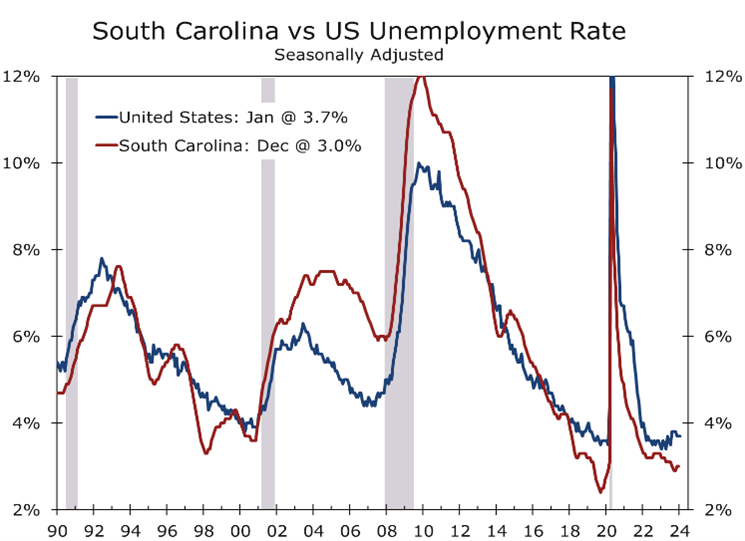
Haley’s tenure as governor, which extended from January 2011 to January 2017, is also widely viewed as successful. South Carolina consistently outperformed the nation as the economy recovered from the Great Recession and welcomed waves of new businesses.
Despite being a popular and well-liked former governor, Nikki Haley has few endorsements.
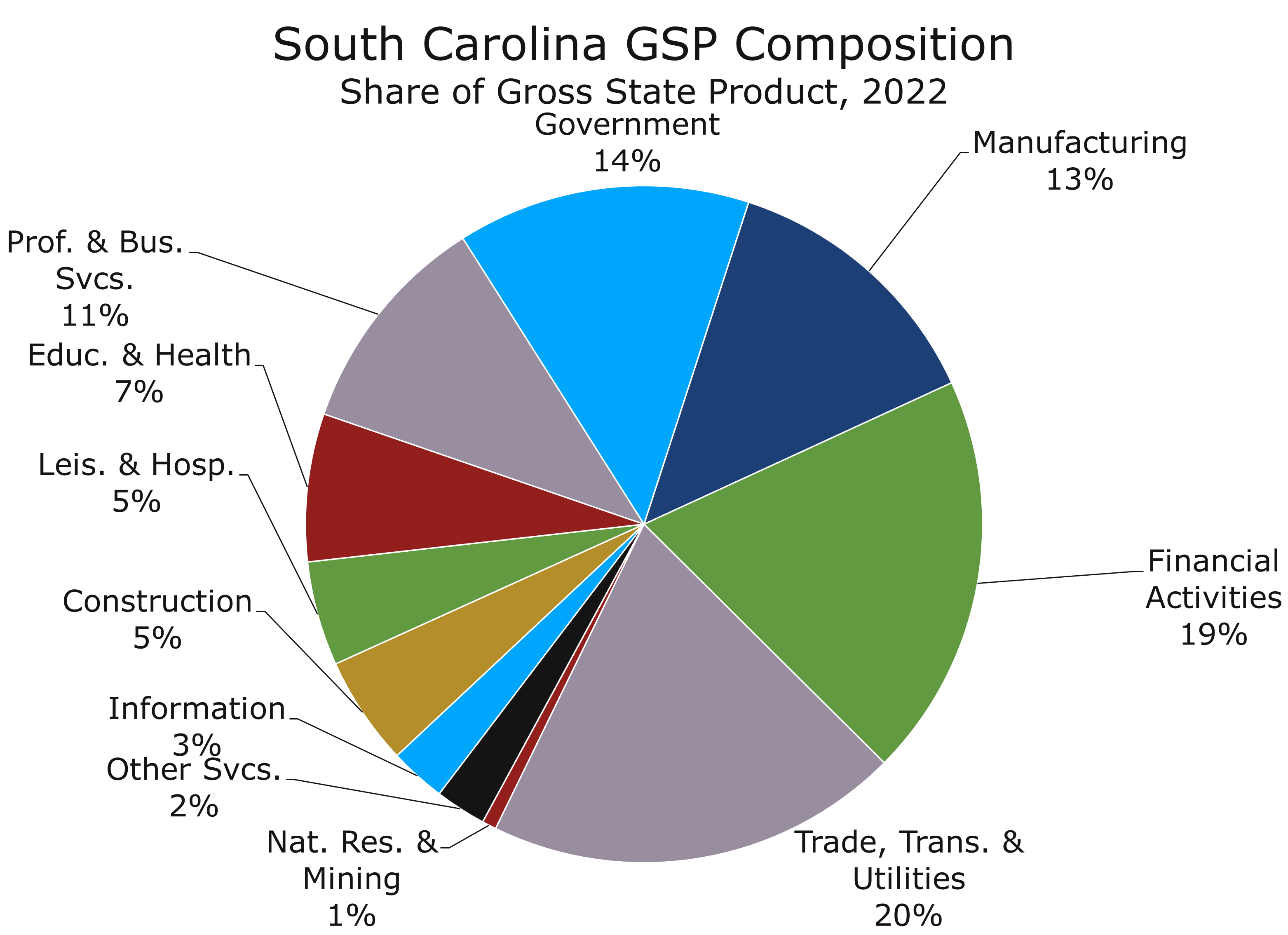
South Carolina particularly excelled in attracting international investment, boasting the highest foreign direct investment per capita in the nation. Notable projects secured during Haley’s leadership include new plants for companies like Volvo, Mercedes Benz, Continental Tire, and Torey Materials. Additionally, Haley helped secure a major expansion of Boeing’s operations in North Charleston and subsequently joined their board of directors. These successes earned South Carolina the nickname “Beast of the Southeast,” a label proudly touted by Haley during her campaign.
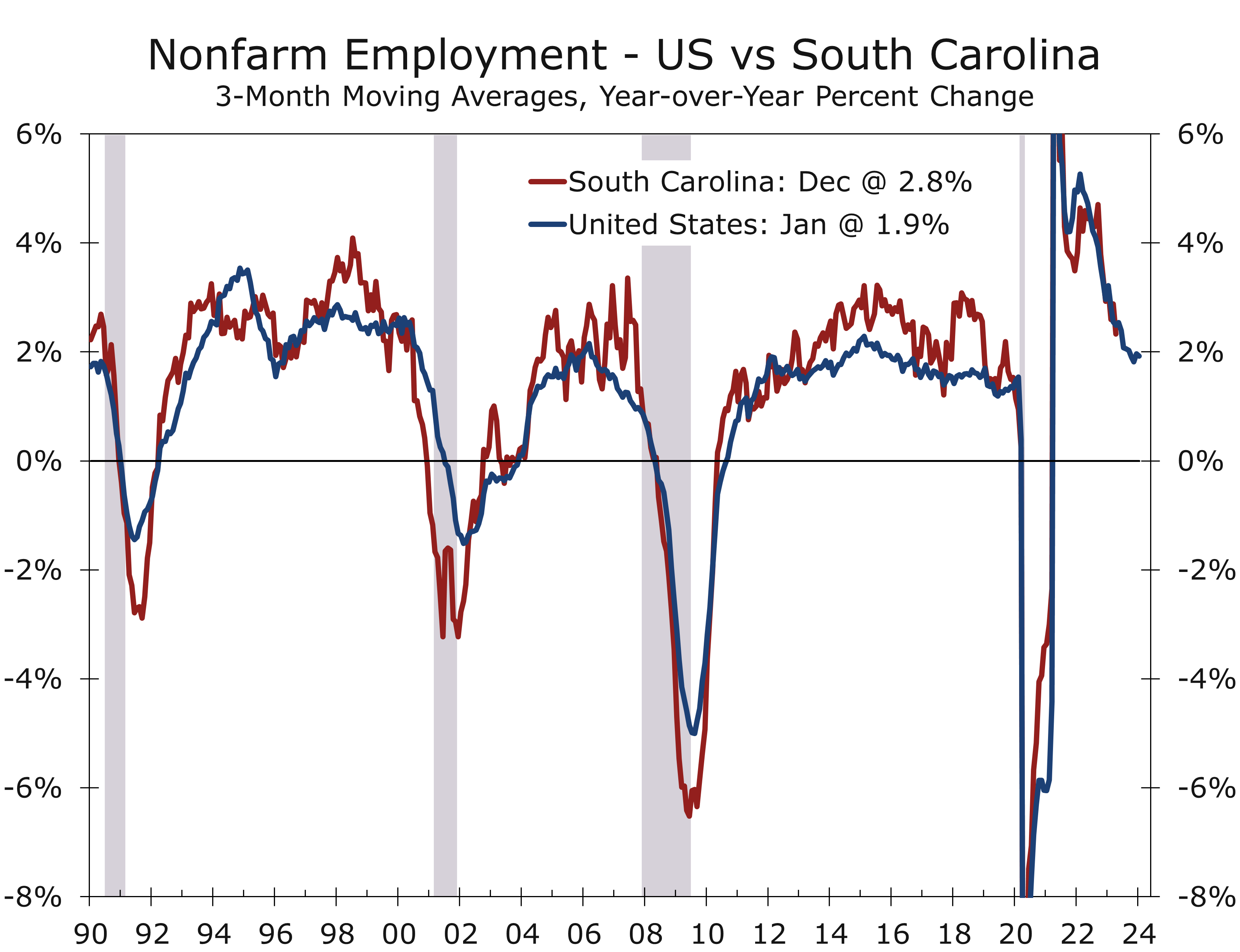
Haley governed South Carolina as a pro-business conservative. She cut taxes and regulations, courted new industry, and expanded investments made by her predecessors. Additionally, she took on organized labor and defeated a unionization attempt at Boeing. She did this at a time when the US economy was slowly emerging from the Great Recession and faced competitive challenges from neighboring states.
While some critics suggest Haley gets too much credit for South Carolina’s success, the record shows she played an active role in the state’s economic growth and attracting industrial investment in particular. Moreover, Haley, who hails from Bamberg, South Carolina, a small city in the state’s Lowcountry region, did a remarkable job in ensuring the investment boom reached every corner of the state.
Haley also adeptly managed delicate social crises. Following the 2015 mass shooting at Charleston’s Emanuel Church and the shooting of Walter Scott, an unarmed African American man pulled over for a traffic stop, Haley drew national attention when she orchestrated the removal of the Confederate flag from the state capitol. The debate over the Confederate flag had been a long-running divisive issue and became increasingly more difficult to defend as South Carolina’s population grew and new industry relocated to the state. Haley stopped short of condemning the flag altogether, stating that for many, the flag symbolizes heritage rather than hate.
Haley’s skill in handling race-related issues as a southern governor was commendable, but her recent omission of slavery as the root cause of the Civil War in New Hampshire drew criticism and tarnished her otherwise well-thought-of reputation on the subject.
Haley’s center-right stance on cultural issues, including her refusal to support a North Carolina-style bathroom bill and her opposition to national abortion legislation, has drawn criticism from some likely Republican primary voters. Despite this, many see these positions as key to her electability in the general election.
If Haley overperforms expectations on Saturday, she would owe it to South Carolina’s status as an open primary state. Independents and Democrats who did not cast ballots in the earlier Democratic primary will have the option to vote in the Republican contest. These voters would presumably break for Haley over Trump. The Haley campaign banked on such crossover votes in New Hampshire, however, and still fell considerably short. South Carolina is significantly more conservative than New Hampshire, so Haley will need more than just moderates to make it close.
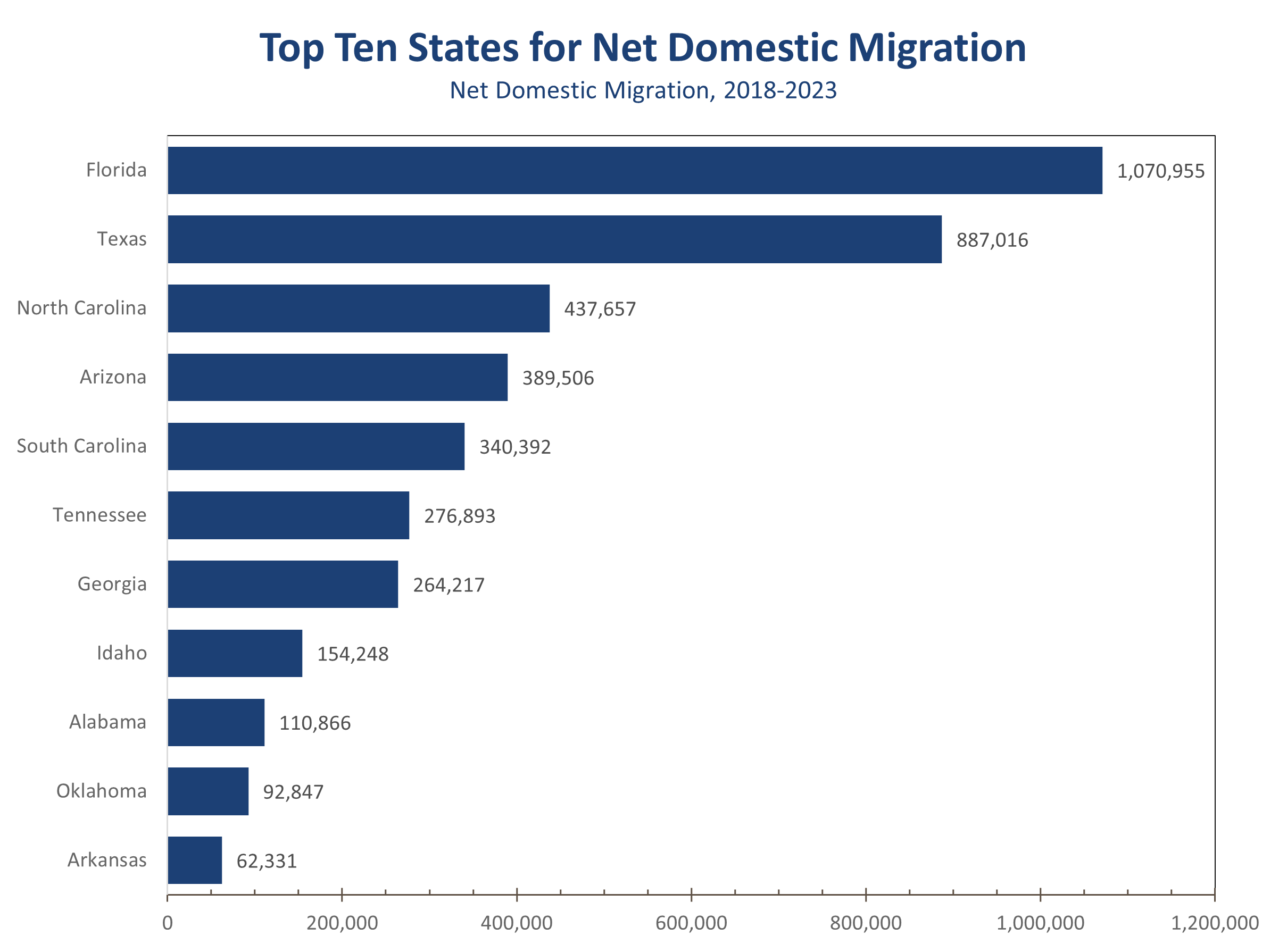
New voters might also help. South Carolina has enjoyed strong domestic in-migration in the past few years and led the nation in domestic in-migration in percentage terms this past year. In absolute numbers, 340,392 more people have moved to South Carolina over the past 5 years than moved away, with many relocating from the Northeast.
Despite facing a likely defeat in her home state, Haley vows to continue her campaign through Super Tuesday, focusing on delegate-rich states like California and Massachusetts. While victory in any state on March 5th seems improbable, her aim is to gather enough delegates to present a viable option at the convention, especially if Trump’s campaign encounters setbacks away from the campaign trail.
Disclaimer: This publication has been prepared for informational purposes only and is not intended as a recommendation offer or solicitation with respect to the purchase or sale of any security or other financial product nor does it constitute investment advice.
February 22, 2024
mark.vitner@piedmontcrescentcapital.com
Chief Economist (704) 458-4000
saul.vitner@piedmontcrescentcapital.com
Policy Analyst (704) 458-8570